
Landlord Resources
Preparing Your Rental Property for the Electric Vehicle Revolution in South Africa
Electric vehicles are transforming South African real estate. Learn how solar integration and EV charging stations can future-proof your rental property in Pretoria East and Centurion for higher yields.
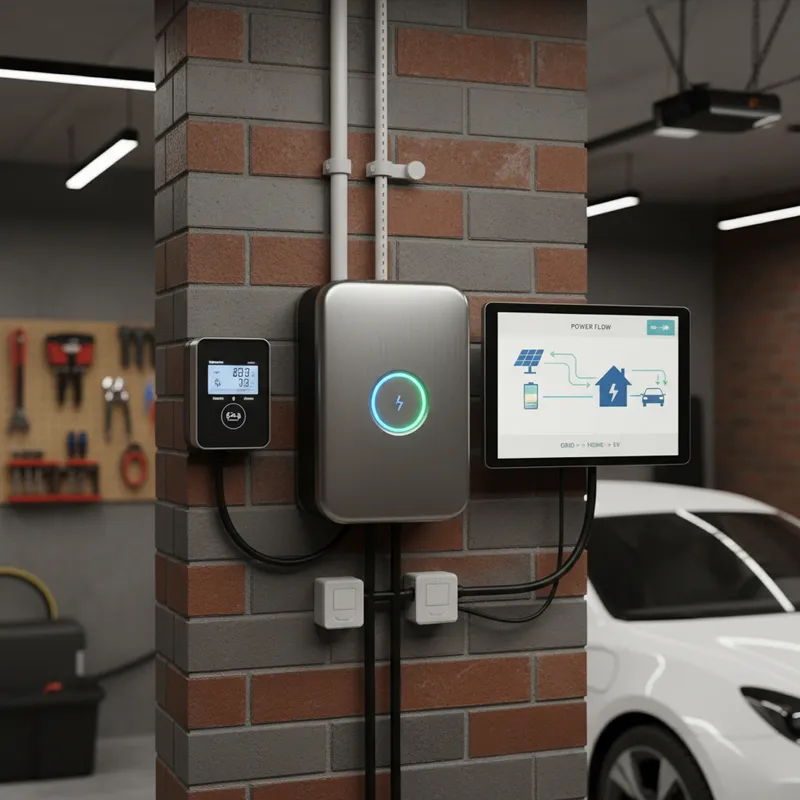
The automotive landscape in South Africa is evolving rapidly. With the steady rise in Electric Vehicle (EV) adoption, the real estate market must adapt to these changing needs.
For property owners and investors in areas like Pretoria East, Centurion, and Midrand, catering to a new demographic of EV owners offers a unique blend of opportunities. Renting out your property to electric car owners is a current reality that can significantly boost your property’s appeal.
Property Highlights and Market Impact
- Increased Tenant Appeal and Premium Yields: Tenants frequently express a willingness to pay for clean energy features. Adding an EV charging station makes a property significantly more attractive, especially when paired with solar photovoltaic (PV) systems.
- Grid and Infrastructure Management: Charging EVs places heavy demands on residential power infrastructure. To prevent voltage fluctuations or strain on the local grid, owners can upgrade to smart charging systems.
- Cost Mitigation: Implementing smart and controlled charging architecture not only mitigates grid risks but can actively decrease overall electricity costs for the household.
Managing Utilities and Sustainability
Managing the intersection of transport and home energy requires a practical approach to utility services and the Rental Housing Act requirements for fair billing.
- Managing Power Consumption: Installing separate pre-paid electricity meters ensures utility costs remain transparent and prevents disputes between the landlord and tenant.
- Solar Power Integration: In the South African context, an EV is only as reliable as its power source. Properties offering solar power and battery backups are currently highly sought after to combat load shedding.
- Future-Proofing with V2G: Looking ahead, advanced setups can allow for Vehicle-to-Grid (V2G) capabilities. This enables bidirectional chargers to inject energy stored in the car's battery back into the property's grid during power outages.
Is All Charging Equipment the Same?
A critical factor for landlords is understanding that not all EV chargers are equal. Charging systems differ by manufacturer and are categorized into distinct levels, which dictate the installation cost and the charging speed offered to the tenant.
It may be wise to monitor developments in the industry before committing to the installation of specific hardware, as technology in this space is moving fast.
The Economics of Technology Adoption
Investing in new technology presents a fundamental business dilemma: balancing the high initial capital outlay of early adoption against the risk of falling behind. Whether implementing AI for business automation or investing in advanced physical infrastructure, understanding financial trade-offs is critical.
The High Cost and Reward of the Early Adopter
Taking the leap as an early adopter involves navigating significant financial uncertainty, but it comes with distinct advantages:
- The Innovation Trigger: New technologies often start with high publicity but unproven commercial viability.
- The ROI Driver: A positive assessment of the return on investment (ROI) is the main driver for these initial investments, while the primary barrier remains uncertainty.
- The Data Moat: Early adopters gain an advantage through operational accumulation, building proprietary data and embedded process knowledge that latecomers cannot easily replicate.
- Value in Redesign: Research indicates that 70% of the value in implementing new tech comes from redesigning business processes, giving early movers an irreversible head start.
The Financial Prudence of the Fast Follower
For many property businesses, waiting for technology to mature into the "Plateau of Productivity" offers a more stable financial path.
- Bridging the Gap: A fast-follower strategy aims to bridge the chasm between experimental markets and the needs of the early majority.
- Protecting the Core: Fast followers venture into new markets while protecting their stable core business.
- Standardization: Waiting allows a business to clean up and standardize internal processes before deploying a new system, avoiding costly budget overruns.
- Avoiding the Reform Backlog: By observing hypes and learning from the actions of others, you can avoid committing capital to redundant or failing systems.
Strategic Implementation: Knowing When to Act
Deciding whether to absorb the initial expense or wait depends heavily on the type of technology being evaluated. If the technology fundamentally changes how work is done and relies on accumulated institutional data, the gap between you and your competitors compounds over time.
Conversely, if the technology is primarily a purchasable platform or hardware—like standard commercial SaaS or physical networking systems—early movers absorb the validation risks. Late movers can eventually acquire the same operational knowledge and deploy the same platforms at a lower cost.
Conclusion
It won't be long before electric vehicles begin to shape the demand for rentals in the South African property industry. Homes with detached parking structures or limited access to power will likely suffer as demand increases for alternative energy products.
Ensuring that your rental property offers a reliable power source for tenants to charge their vehicles will be crucial to maintaining a market-related rental and securing long-term occupancy.
Speak to the Kingsmark team about managed rentals and future-proofing your property portfolio in Pretoria East and Centurion.